Buying your first home in Richmond can feel exciting right up until you start asking the big question: which area actually fits your life? In a market this compact, your choice is often less about being far from one part of town versus another and more about how you want your days to work, what kind of home style you prefer, and how much space you need. If you are comparing Richmond neighborhoods as a first-time buyer, this guide will help you weigh convenience, character, budget, and lifestyle so you can make a more confident decision. Let’s dive in.
Why neighborhood choice matters in Richmond
Richmond is not a huge city, but neighborhood differences still shape your daily routine. The city had an estimated 39,581 residents in 2025, covers 20.32 square miles, and has a mean travel time to work of 23 minutes, according to the U.S. Census Bureau.
That smaller footprint can be helpful for first-time buyers because you are not choosing between long cross-city commutes. Instead, you are usually comparing things like access to shopping, proximity to campus or work, home age, lot size, and whether you want a more historic or more suburban feel.
It is also smart to set expectations around getting around town. Richmond is considered minimally walkable, with a Walk Score of 35, so most buyers should plan on using a car regularly even in the more convenient parts of town, based on Redfin’s Richmond market data.
Richmond price ranges to expect
Before comparing neighborhoods, it helps to understand the market range. Current snapshots vary by platform, but they generally place Richmond home values and sale prices in the high-$200,000s to mid-$300,000s.
For example, Zillow’s Richmond data reported an average home value of $297,033 and a median sale price of $294,150. Redfin reported a median sale price of $278,450, while Realtor.com reported a median home sale price of $350K. Since these sources use different methods, the most practical takeaway is to treat them as a useful range, not one exact price.
That matters when you compare neighborhoods because a first-time-buyer budget in Richmond is not one-size-fits-all. Older homes, newer builds, larger lots, and lower-maintenance options like condos or townhomes can all shift pricing in either direction.
Downtown Richmond
Best for historic charm and Main Street access
If you love older homes and want to feel closer to the heart of Richmond, downtown may be the first area to explore. Richmond’s downtown includes three National Register Historic Districts, and the city is known for having more than 100 buildings on the National Register of Historic Places, according to the Advisory Council on Historic Preservation.
This part of town is often the best match if character matters more to you than a brand-new floor plan. Visit Richmond also describes downtown as a walkable area with a self-guided historic walking tour, which gives this area a different feel from the more car-oriented retail corridors.
For a first-time buyer, the tradeoff is usually simple. You may gain charm, mature surroundings, and closer access to Main Street, but you may give up some yard size or newer construction features.
Central Richmond and EKU area
Best for everyday practicality
If your top priority is being close to major daily destinations, central Richmond deserves a close look. Eastern Kentucky University is located on Lancaster Avenue, and Baptist Health Richmond is centrally located on Eastern Bypass.
This part of town also keeps you near established shopping and services. Nearby retail includes Richmond Centre and the Walmart Supercenter on Eastern Bypass, which can make errands and regular appointments easier to manage.
For many first-time buyers, this area works well because it balances access and routine. If you care more about short drives to campus, health care, and stores than having the quietest edge-of-town setting, central Richmond may feel like a practical fit.
East side and Eastern Bypass
Best for shopping and recreation
If convenience is your top goal, the east side is often one of the easiest areas to understand. The Visit Richmond visitor guide identifies the Eastern Bypass corridor as a major hub for Richmond Centre, Richmond Plaza, and shopping areas near Keeneland Drive, Leighway Drive, and the university area.
This side of town also stands out for recreation. The same guide describes Lake Reba Recreational Complex as a 450-acre complex with a 75-acre fishing and boating lake, trails, athletic fields, golf, and other family recreation features.
For a first-time buyer, this area often feels efficient. You can prioritize easier errands, access to retail, and nearby recreation, though the layout is still more car-dependent than truly walkable.
Outskirts and county-edge areas
Best for more land and road access
Some first-time buyers quickly realize they would rather have more lot space than be close to every store in town. In Richmond, that often means looking at the outskirts or county-edge areas, where larger lots and a quieter setting can become more common.
These areas can also be appealing if road access matters to you. Kentucky Transportation Cabinet studies show multiple I-75 interchanges around Richmond, including exits 87, 90, 95, and 97, which helps explain why outer areas can appeal to commuters who want easier highway access.
The tradeoff here is usually distance from day-to-day retail and services. If your goal is more breathing room, a suburban or rural feel, or a property with more land, the edges of Richmond may deserve a place on your list.
Home styles first-time buyers may see
Neighborhood choice and home style usually go hand in hand. In Richmond, first-time buyers are not limited to one type of property.
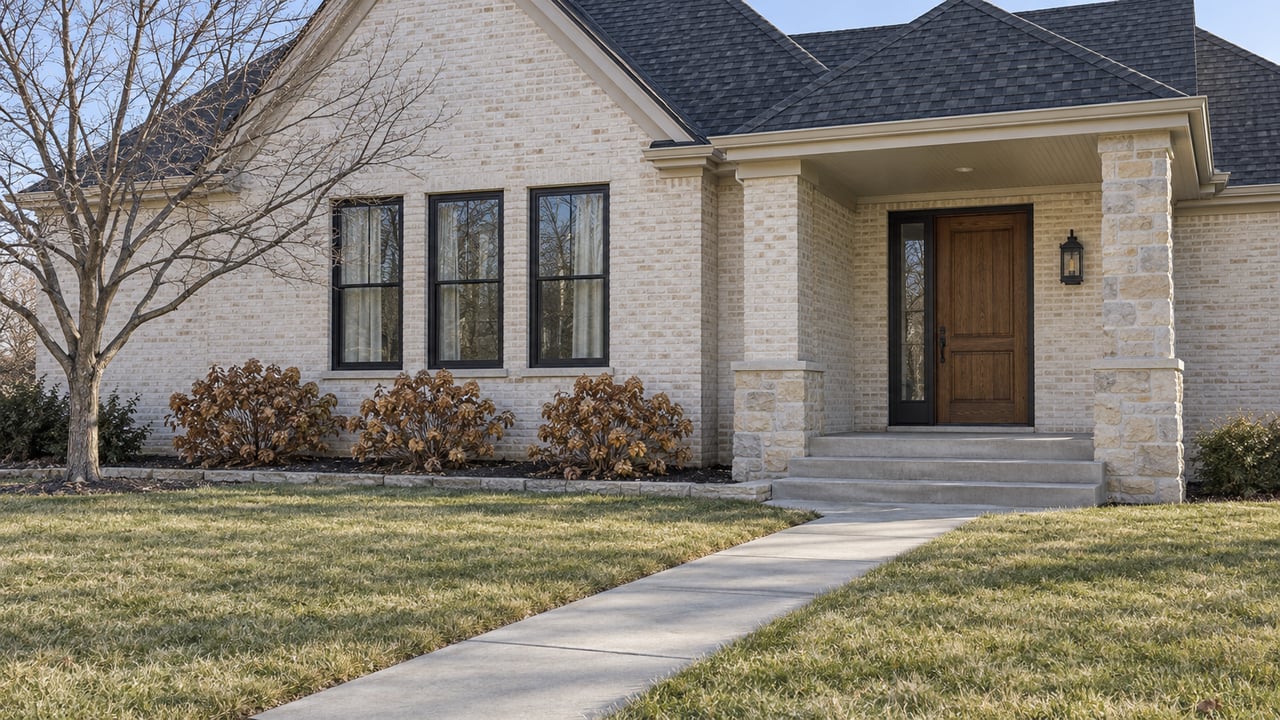
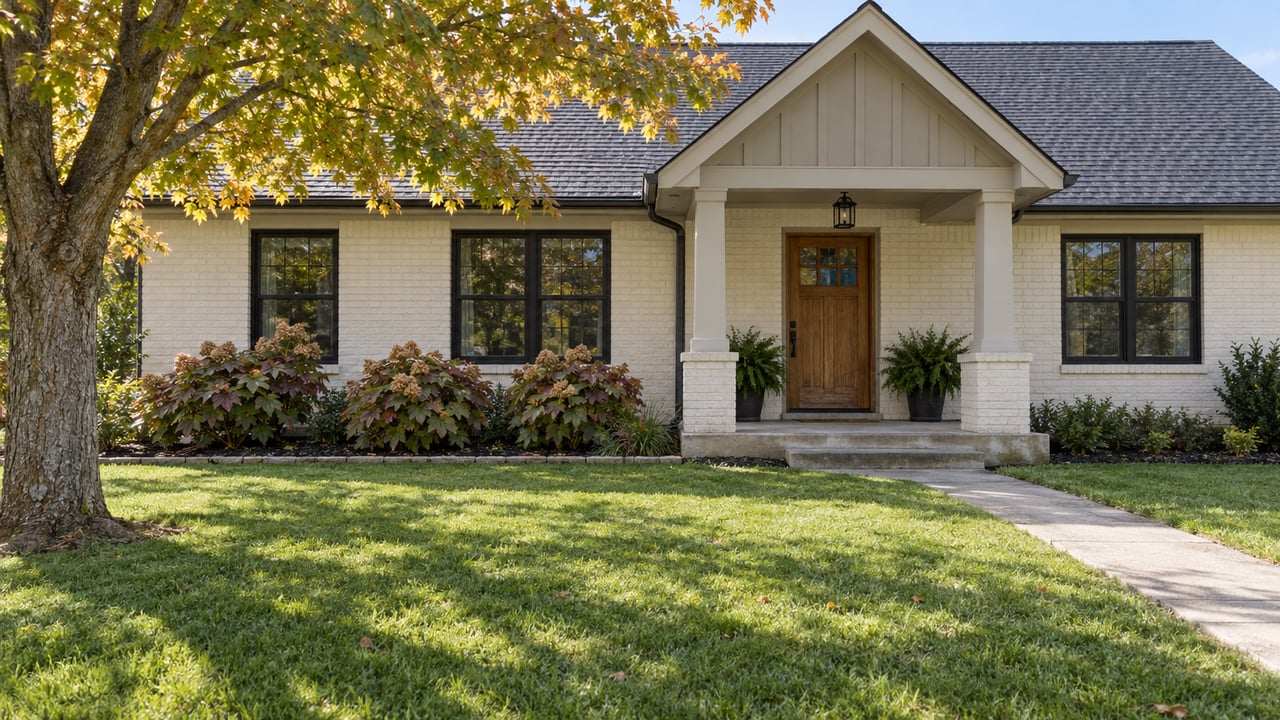
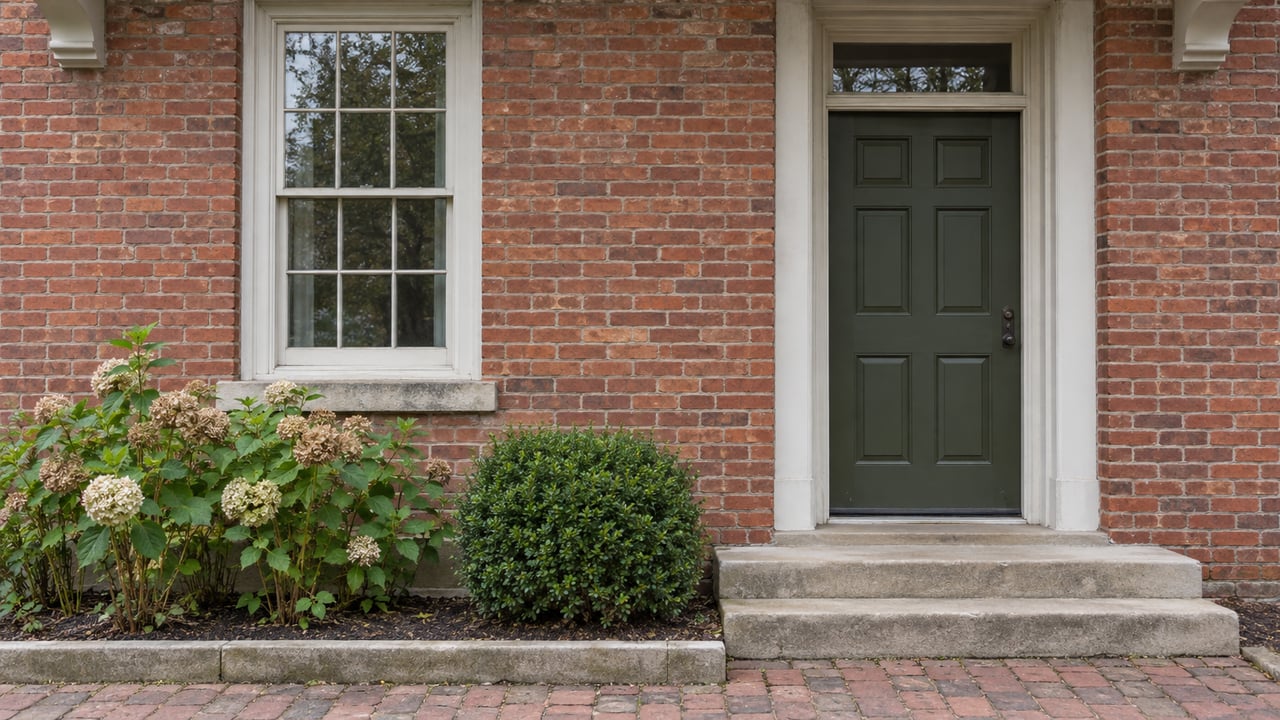
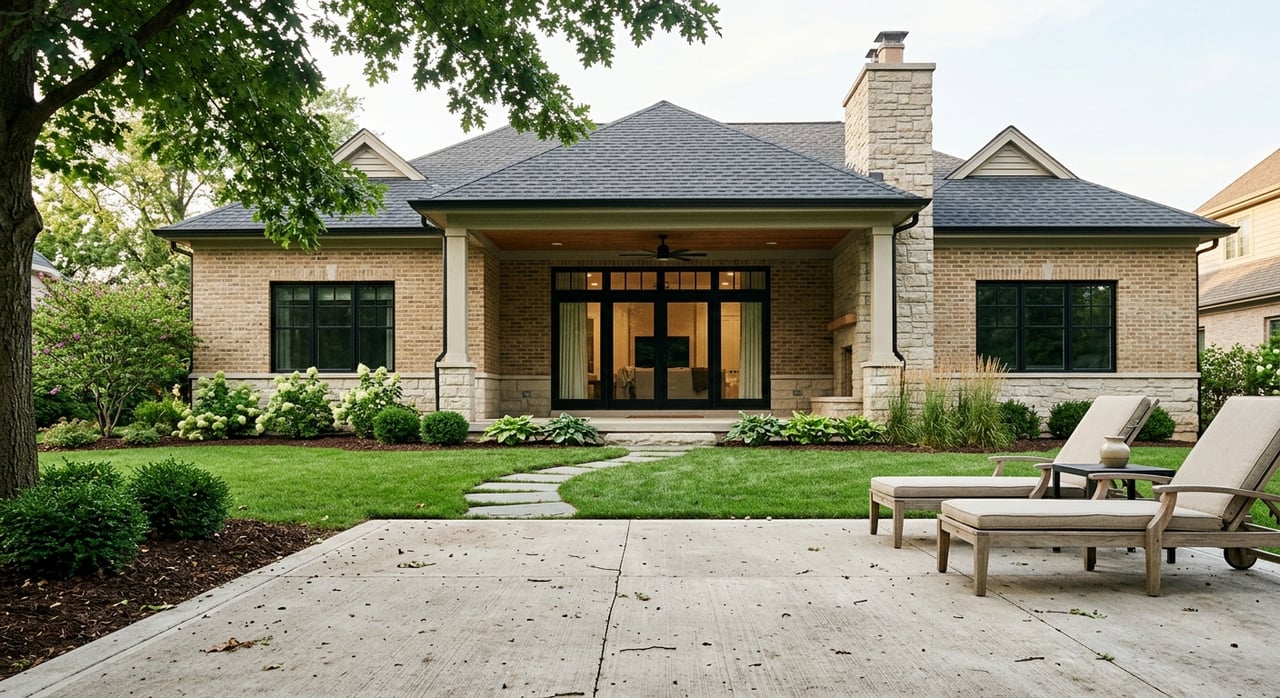
Historic areas tend to offer older homes with more architectural character. Newer subdivisions more often lean toward ranch-style homes, bilevels, and modern farmhouse influences, while some buyers may also find condos or townhomes that offer a lower-maintenance option.
If you want a useful starter-home filter, ranch-style homes can be a good place to begin. Redfin’s Richmond ranch-style search showed 8 current matches with a median listing price of $315K, which helps illustrate where at least part of the market currently sits.
A simple way to compare Richmond neighborhoods
When you are trying to narrow your search, it helps to focus on how you actually live instead of trying to rank every area from best to worst. A better question is: what do you want your week to feel like?
Here is a simple framework:
- Choose downtown if you want historic character, older homes, and closer access to Main Street.
- Choose central Richmond or areas near EKU if you want practical access to campus, shopping, and health care.
- Choose the east side or Eastern Bypass corridor if you want easy errands, retail access, and nearby recreation like Lake Reba.
- Choose outskirts or county-edge areas if you want more lot space, a quieter setting, or easier highway access.
- Choose ranches, condos, or townhomes if you want to keep maintenance manageable or stay closer to the starter-home price range.
This kind of comparison can make your search feel much less overwhelming. Once you know your top two or three priorities, it becomes easier to spot which part of Richmond fits your budget and routine.
Smart first-time buyer tips for Richmond
Focus on routine, not just price
A lower price does not always mean a better fit. If one area saves you money up front but adds more driving to your daily routine, that tradeoff may or may not be worth it depending on your lifestyle.
Compare condition and lot size carefully
Richmond’s market data suggests buyers should not assume every home will sell well over asking. Zillow reports a median list price of $346,617, and Realtor.com reported homes sold about 1.97% below asking in January 2026, while Redfin showed a median sale-to-list ratio of 0.982 through the sources summarized in the research.
That means you should compare homes carefully by condition, updates, lot size, and location. Two homes at a similar price may offer very different long-term value depending on where they are and what they need.
Use ranges, not one exact number
Because Zillow, Redfin, and Realtor.com each track the market differently, it is best to use their data as overlapping snapshots. That gives you a more realistic picture of Richmond instead of locking onto one number that may not reflect the type of home you actually want.
Buying your first home is a big decision, but it gets easier when you break Richmond down into practical choices. If you want help sorting through neighborhoods, narrowing your must-haves, and building a smart first-home strategy, Michelle Conner is here to guide you with local insight and responsive support.
FAQs
What is the most walkable area for first-time buyers in Richmond, KY?
- Downtown Richmond is the clearest option for walkability, but Richmond overall is still a car-oriented city with a Walk Score of 35.
What part of Richmond, KY is best for everyday convenience?
- The Eastern Bypass corridor is one of the strongest areas for convenience because it combines shopping, recreation, health care, and major daily services in one general area.
Where can first-time buyers find larger lots in Richmond, KY?
- Buyers who want more land often look to Richmond’s outskirts and county-edge areas, where larger lots and a quieter setting are more common.
What price range should a first-time buyer expect in Richmond, KY?
- Current market snapshots suggest many Richmond homes fall somewhere in the high-$200,000s to mid-$300,000s, though condition, lot size, and home style can move prices outside that range.
Are there starter-home options besides detached houses in Richmond, KY?
- Yes. Richmond inventory can include condos, townhomes, and ranch-style homes, which may offer lower-maintenance or more budget-friendly options depending on the listing.