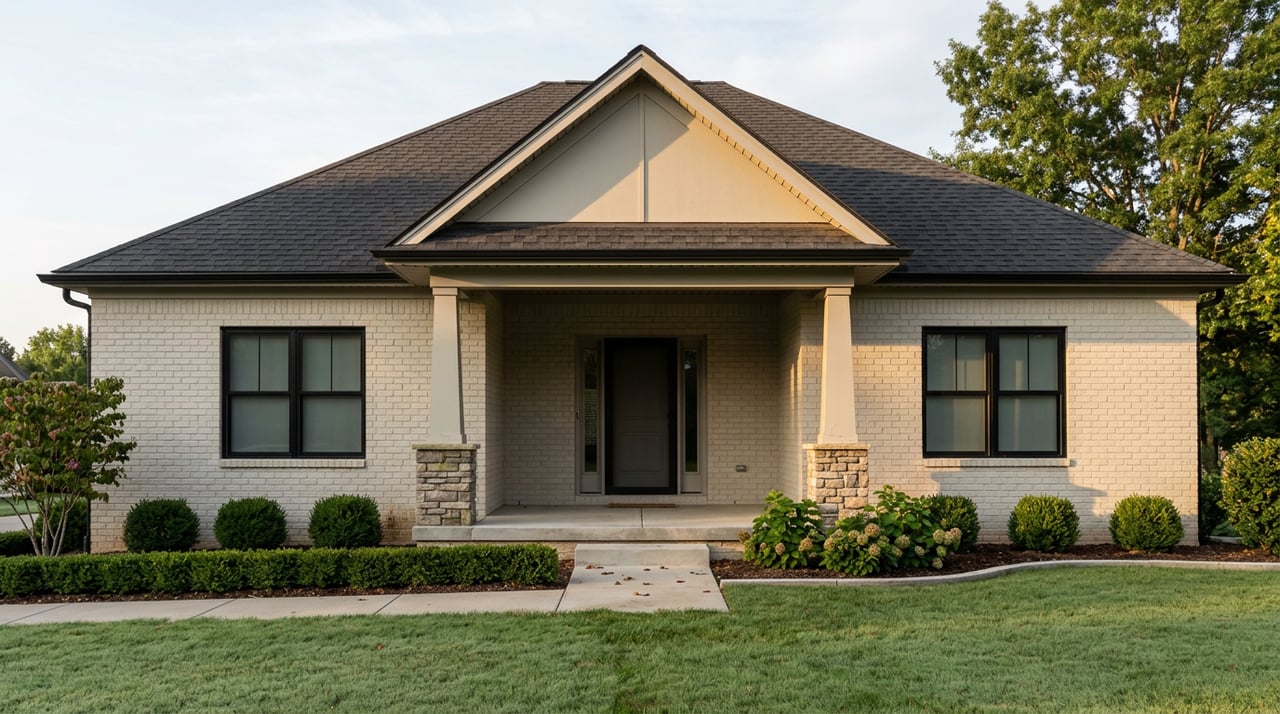
Seven. That's how many homes closed in Chevy Chase in August 2026, according to the most recent neighborhood-level sales data available. Seven sales is not a market. It's a rounding error dressed up as a trend, and it's exactly the kind of number that can quietly distort a buyer's expectations before they've toured a single house.
Here are the recent headline figures for Chevy Chase. The median sale price in Chevy Chase over the trailing three months landed at $975,000, up 32.6% from the same period a year earlier. At the same time, the median sale price per square foot in the neighborhood actually fell 17.8% year over year, to $286. Price up. Price per foot down. Both statements are true, and neither one describes a real shift in what Chevy Chase real estate is worth. What happened is simpler: a handful of larger, more heavily renovated homes happened to close in that window, and with a sales pool that small, one or two transactions can swing a median by six figures without changing anything about the underlying market.
That's the first thing worth understanding if you're comparing Lexington neighborhoods with anything more serious than a quick search. The number you're looking at is only as stable as the count of sales behind it. In a historic, mostly built-out neighborhood, that count is small enough to misbehave from month to month. In a newer neighborhood with more turnover, it isn't.
The Number That Doesn't Misbehave
Strip out the monthly noise and one figure holds steady enough to mean something. Chevy Chase's $286 per square foot compares to a citywide figure of roughly $196 to $201 per square foot in mid-2026, a metric tracked publicly by the Federal Reserve Bank of St. Louis using Lexington-Fayette listing data. That puts Chevy Chase roughly 42% to 46% above the citywide baseline, a gap that shows up whether you're looking at a hot month or a slow one.
That gap is not explained by square footage. Chevy Chase homes tend to run smaller than what the same budget buys almost anywhere else in Lexington, not larger.
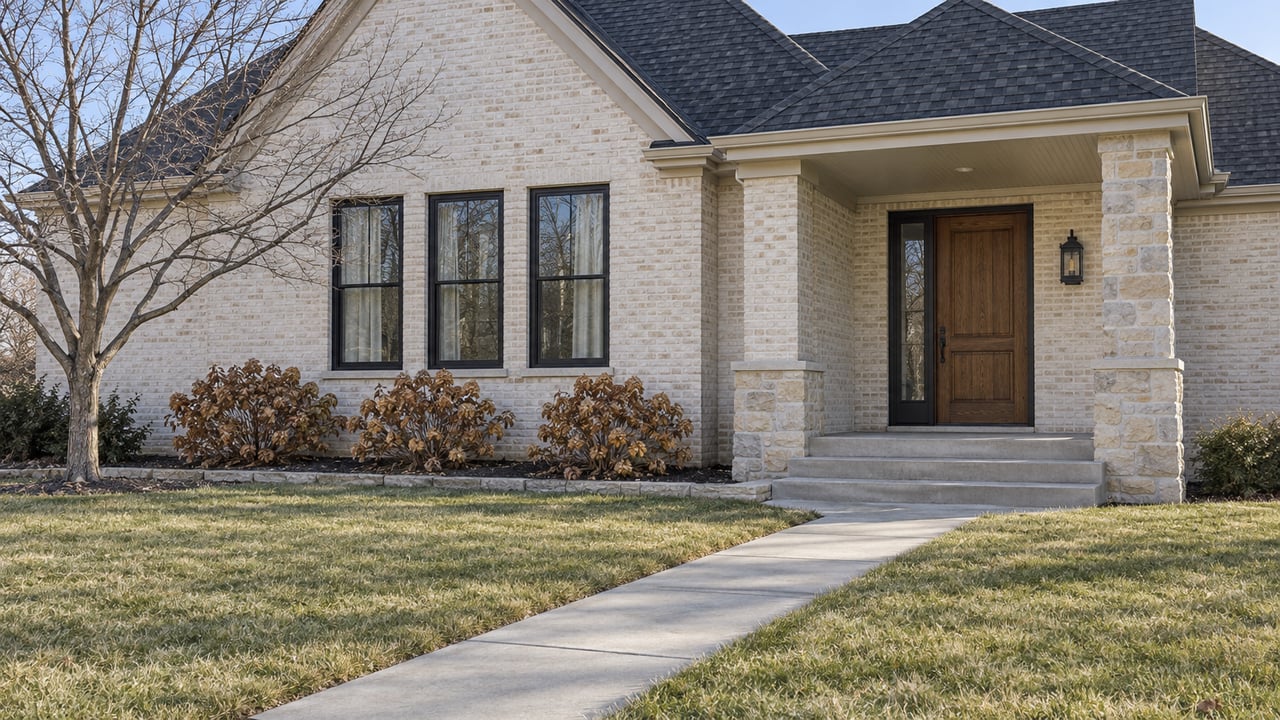
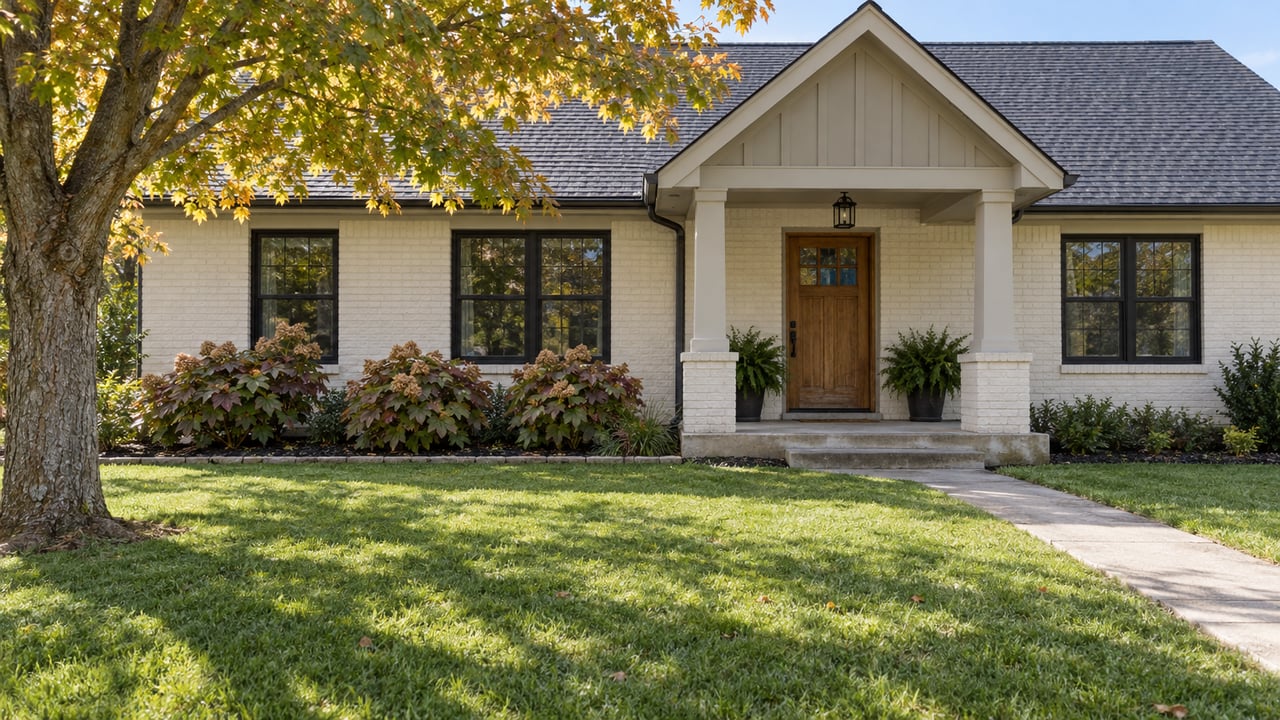
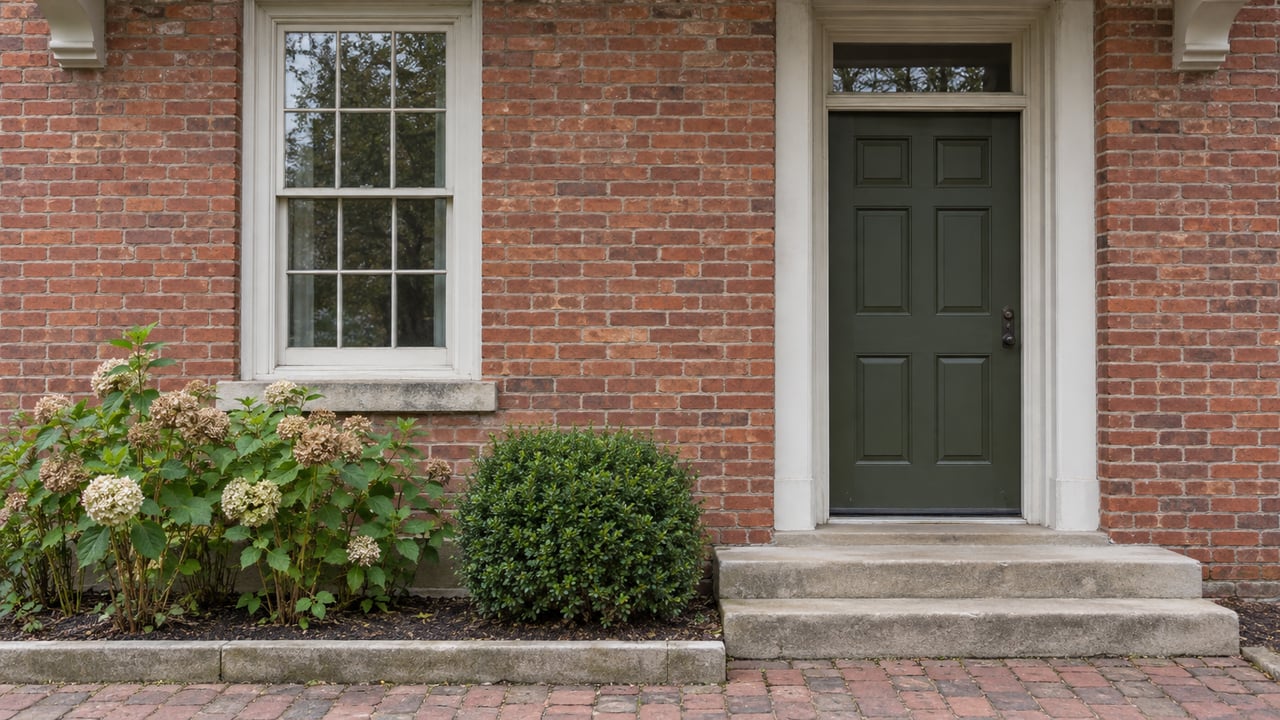
Walk the streets between Fontaine Road and Cooper Drive and the reason becomes visible. Most of the housing stock there went up in the 1920s through the 1940s, when the neighborhood was platted out of part of Henry Clay's old Ashland estate. Lots from that era run small by current standards, often under a fifth of an acre, because the neighborhood was laid out for walking to the corner store, not for a three-car garage. There's almost no vacant land left to build on, and the neighborhood holds somewhere around a thousand total houses. When one comes up for sale, it's a small fraction of a fixed number that isn't growing, and inventory that thin doesn't respond to demand the way a newer subdivision would.
So what is $286 a foot actually paying for? Three things, and none of them show up in a square footage column:
- A walk to the Chevy Chase Shops corridor along East High Street, Euclid Avenue, Romany Road, and Clay Avenue, where the storefronts are locally owned rather than part of a planned retail pad
- Almost no competition from new construction, since the neighborhood has been fully built out for generations
- A location a few minutes from downtown Lexington and the University of Kentucky, on streets laid out before the car decided how neighborhoods get built
None of that is a knock on newer parts of the city. It's the opposite. If square footage, garages, and modern systems matter more to you than a five-minute walk to dinner, the math in Lexington runs strongly in your favor once you leave the historic core.
Same Budget, Different House
Here's what a comparable budget buys once you move a few miles east or south of Chevy Chase.
| Neighborhood | Typical era built | What the money tends to buy | Context |
|---|---|---|---|
| Chevy Chase | 1920s to 1940s | Smaller footprint, in-town lot, walkable retail corridor | Roughly $286 per square foot, based on a small, low-turnover sales pool |
| Hamburg | Early 2000s forward | Larger, newer-construction floor plans, typically on a quarter acre or more | Recent listing data placed the median home price near $459,000, with the Legacy Trail and Jacobson Park's 216 acres both close by |
| Andover | Established, larger-lot subdivision southeast of downtown | Custom-built homes on generous, mature-tree lots | Price band typically runs roughly $600,000 to $900,000, reflecting land and size rather than in-town scarcity |
The pattern holds across all three. The closer you get to Lexington's walkable historic core, the smaller the house and the higher the price per square foot. The farther out you go, the more square footage and land the same money buys, and the lower that per-foot number runs, even when the total price tag looks nearly identical.
That's the piece a citywide median hides. A buyer comparing a $650,000 listing in Chevy Chase to a $650,000 listing in Andover isn't comparing two similar houses. They're comparing two different products that happen to share a price tag.
What the Citywide Number Actually Tells You
None of this makes the citywide figures useless. They just answer a different question than "what does this neighborhood cost per square foot." As of July 2026, the median sale price across Lexington residential sales stood at $375,000, up 7.3% from a year earlier, with homes moving in a median of 22.6 days and roughly two months of supply on the market. That's a market still leaning toward sellers, but with enough breathing room that a well-prepared buyer isn't stuck bidding blind on every listing.
Zoom out to the region and the trend holds. Bluegrass REALTORS reported that inventory across its 38-county service area topped 4,000 homes for a third straight month in July 2026, up 10% from the year before and marking 33 consecutive months of year-over-year inventory growth. More listings coming online generally means more room to negotiate, but that room isn't distributed evenly across neighborhoods. It shows up first in newer, higher-turnover areas. It shows up last, if at all, in a neighborhood that sold seven homes in a month.
How to Use This While You're Touring
If you're comparing neighborhoods rather than just individual addresses, ask for price per square foot alongside the sale price on every home you tour, and ask how many comparable sales that figure is built on. A price-per-foot number resting on a handful of closings deserves a different kind of scrutiny than a $200-a-foot number resting on three hundred. Ask what's actually driving the price on a given street: land, square footage, or scarcity. All three cost money, but only two of them can be recreated somewhere else in the city for less.
A Few Questions Worth Asking First
Why did Chevy Chase's price per square foot drop while its median sale price went up? The two numbers measure different things, and with only a handful of sales in a given month, whichever homes happen to close can move the median without reflecting a real change in what the neighborhood is worth per foot.
Is Hamburg actually cheaper than Chevy Chase, or just different? Both. The entry price is lower and the homes tend to be newer and larger, but the trade is walkability and in-town scarcity for square footage and land. Neither is the better answer. They're different products for different priorities.
Should I compare Lexington neighborhoods by median price or by price per square foot? Use both, and ask how many sales sit behind each number. In a low-turnover neighborhood, lean more heavily on price per square foot and recent comparable sales than on any single month's median, which can swing hard on a handful of closings.
If you're weighing a historic Lexington address against something newer and larger, that's exactly the kind of comparison worth working through with someone who watches these neighborhoods closely, block by block. Michelle Conner has spent years helping Central Kentucky buyers figure out what a price tag is actually paying for before they write an offer. Let's Connect and look at the numbers together.